

Artikel lengkap dapat dilihat di RRI
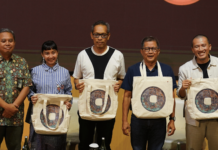
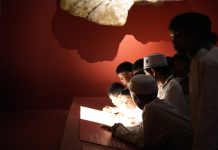
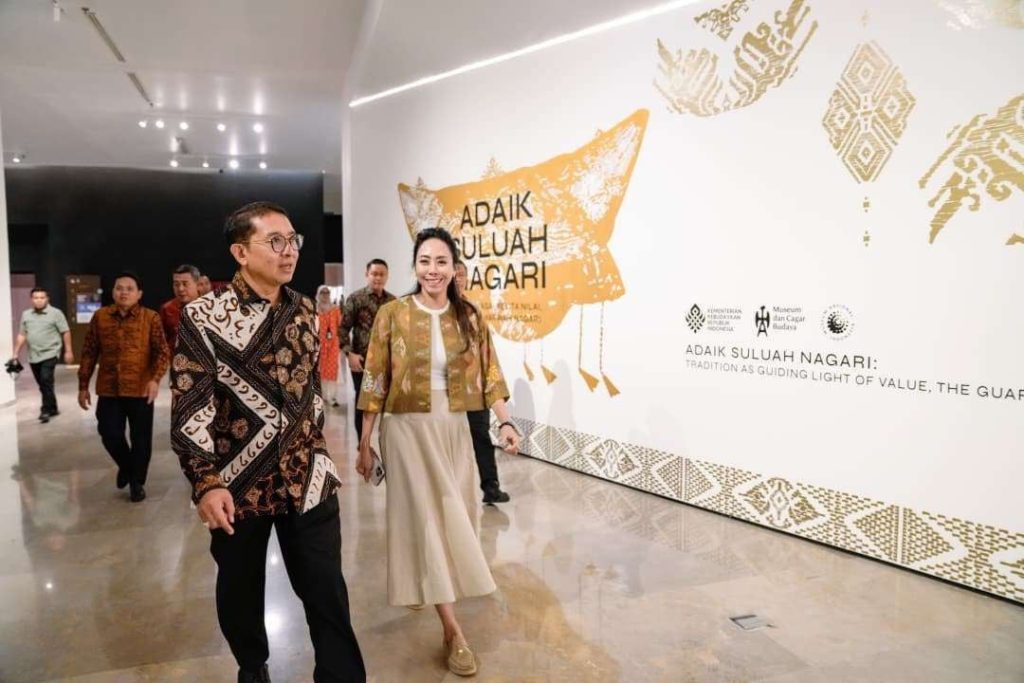
RRI.CO.ID, Jakarta – The Adaik Suluah Nagari Exhibition (Customs as the Beacon of Values, Guardian of the Honor of the Nagari) at the National Museum of Indonesia in Jakarta showcases the richness of Minangkabau culture (West Sumatra) and demonstrates how museums can become relevant educational spaces for the current generation.
The Indonesian Ministry of Culture organized this exhibition through the Museums and Cultural Heritage department as part of an effort to strengthen the role of museums in promoting Indonesian culture.
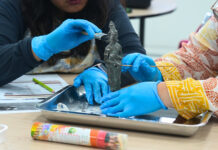
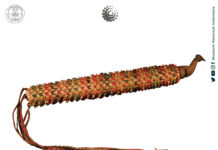
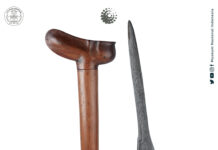
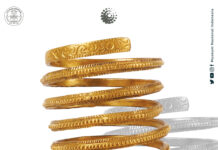
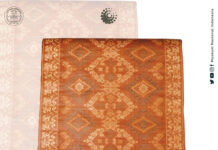
Minister of Culture Fadli Zon emphasized that the artifacts on display are representations of the Minangkabau people’s values and way of life that are still relevant today. The collection includes miniature traditional buildings, clothing, jewelry, manuscripts, and artworks that capture the Minangkabau people’s daily cultural practices.
“This exhibition shows how the noble values of Minangkabau customs are manifested in various forms of cultural expression,” he said in an official statement on Friday, January 23, 2026, in Jakarta.
With a thematic approach, the Adaik Suluah Nagari exhibition is designed to be informative and communicative. Its narrative invites visitors to understand tradition as a value system that maintains the dignity of the nagari, or village, and the role of strong traditional leadership through the figure of the datuk, or chief, in almost every Minangkabau region.
Furthermore, Fadli sees this exhibition as setting a new standard for museum management in Indonesia. He expressed belief the National Museum can serve as a reference for regional museums in terms of exhibition layout, collection maintenance, and developing historical narratives that are more engaging and understandable to the public.
“We want provincial, subdistrict, and village museums to start improving. The National Museum can serve as an example, both in terms of storyline, exhibition layout, and the role of educators and conservators,” he said.
Through this exhibition, the government expressed hope that museums will no longer be viewed as static spaces, but rather as lively and inspiring places of learning. Fadli also expressed his hope that this exhibition will foster pride in local culture, especially among the younger generation, while also encouraging traditional communities in other regions to present similar exhibitions.
“The more cultures that are showcased and appreciated, the stronger our awareness of diversity and national identity will be,” he said. ***